
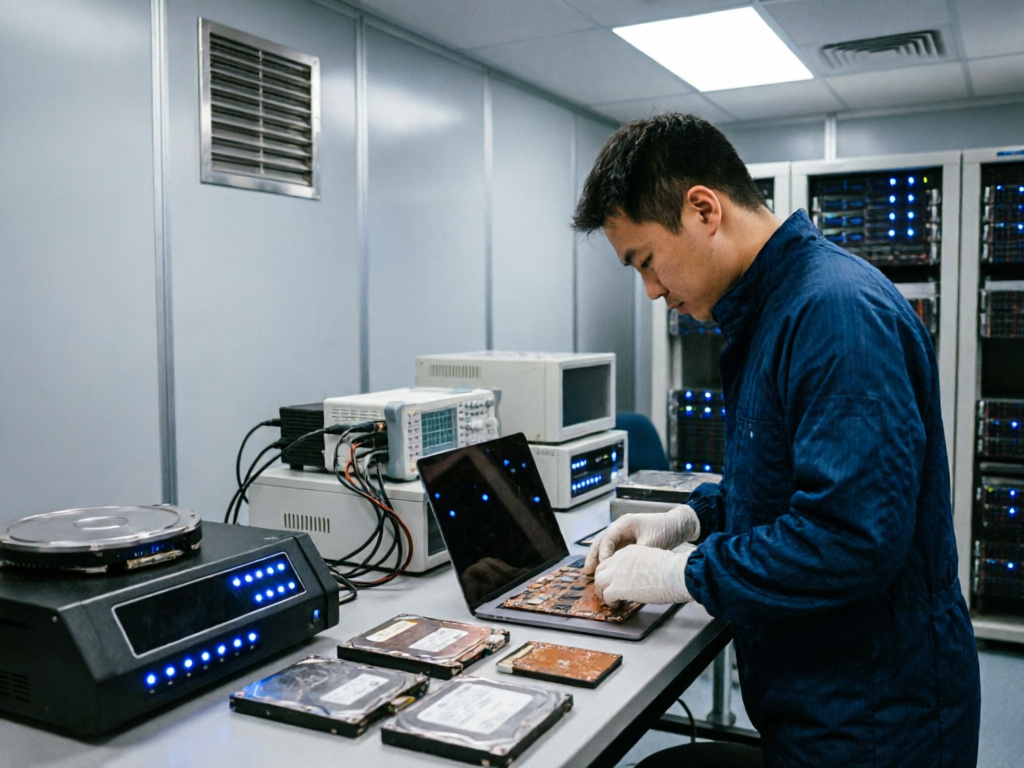
Water-damaged documents and institutional collections require a completely different response than structural water damage. Paper, film, magnetic media, and archival materials begin to distort, fuse, and develop mold within 24 to 48 hours of saturation — well before most contractors arrive. Law firms in Midtown, university libraries in the Bronx, government records offices in Lower Manhattan, and private archives across the New York metro area have all faced water events where speed of response determined whether collections were recoverable.
Library damage restoration — one of the highest-impression service queries reaching this site — involves a specific protocol that most general restoration companies are not equipped to follow. Rare books, periodical archives, and bound collections cannot be dried with ambient dehumidifiers without warping spines and fusing pages. Freeze-drying (vacuum freeze-drying or lyophilization) is the industry standard for saturated bound volumes because it removes moisture through sublimation rather than evaporation, preserving paper structure and ink. We coordinate with certified document recovery facilities for library and archive losses while managing on-site triage, packaging, and chain-of-custody documentation.
Document and Content Recovery Near You — Choose Your City
Every city below has its own local Document and Content Recovery page with coverage details.
Queens County
Suffolk County
Erie County
Nassau
Kings County
Bronx County
New York County
Richmond County
Albany County
Rockland County
Tompkins County
Westchester County
Orange County
Orange
Erie
Monroe
Rensselaer
Queens
For commercial and legal document recovery, chain of custody is as important as the physical recovery itself. Law firms, financial institutions, and government offices cannot simply hand water-damaged files to a general contractor. We maintain documentation of every document lot handled — what was recovered, what was packaged, what was transported, and what was returned — in a format that satisfies compliance requirements and preserves evidentiary integrity where applicable.
What Gets Recovered — and What Does Not
Not every water-damaged document is recoverable. Paper that has been saturated and exposed to heat for more than 48 hours, or that has fused under compression, is frequently unrecoverable regardless of technique. We assess recovery probability honestly on arrival rather than promising results that the condition of materials cannot support. Partial recovery — where some documents in a collection are salvaged and others are not — is a common outcome that we document specifically for insurance purposes.
Document and Content Recovery Services We Offer
✓Library and Archive Restoration
On-site triage, packaging, and transport of water-damaged library collections — rare books, periodicals, and bound archives — to certified freeze-drying facilities, with chain-of-custody documentation throughout.
✓Legal and Financial Records Recovery
Recovery of law firm files, financial records, and compliance documents with full chain-of-custody logging, compliant packaging, and return documentation for evidentiary and regulatory purposes.
✓University and Institutional Collection Recovery
Handles large-scale water losses at university libraries, museum storage facilities, and institutional archives across the New York metro, coordinating with collection curators on triage priority.
✓Business Document and Media Recovery
Recovers water-damaged business records, magnetic media, and electronic storage devices from office flooding events, with inventory documentation for insurance claims.
✓On-Site Air Drying for Low-Saturation Materials
For lightly affected documents and records, controlled on-site air drying using dehumidified airflow can recover materials without transport — assessed case by case based on saturation level and material type.
Document and Content Recovery Cost in New York
| Service | Typical Range | What Affects It |
|---|---|---|
| On-site triage, inventory, and documentation | $300–$700 | Higher for large institutional collections requiring curated assessment |
| Air drying (lightly saturated business records) | $150–$400 per box | Depends on paper type and saturation level |
| Freeze-drying (library, archive, rare books) | $400–$900 per cubic foot | Includes transport to certified facility and return |
| Chain-of-custody documentation package | Included | Required for legal, financial, and institutional clients — no add-on fee |
Ranges are typical for New York and confirmed with an exact written quote before any work starts.
How it works
- 1
Emergency Triage on Arrival
Recovery probability is assessed immediately on arrival. Most-at-risk materials — rare books, fusing paper, magnetic media — are prioritized for packaging first.
- 2
Inventory and Documentation
Every document lot, box, or collection item is inventoried before removal. Chain-of-custody log is started at this step and maintained through return.
- 3
Packaging and Controlled Environment Transport
Materials are packaged in the appropriate containers for their recovery method — freeze-drying candidates are frozen on site if necessary to halt deterioration during transport.
- 4
Recovery Processing
Freeze-drying, air drying, or dehumidified drying is performed at our recovery facility or certified partner facility depending on material type and saturation level.
- 5
Return and Clearance Documentation
Recovered materials are returned with a complete inventory log noting recovery status of each item, for insurance claims and institutional records.
Pricing
Document recovery pricing depends on volume, saturation level, material type, and recovery method required. Written estimate provided after on-site triage. 24/7 emergency response for active water events.